

“Peace comes from within. Do not seek it without.” – Buddha
Welcome to Tiny Buddha Yoga, your online sanctuary for mindfulness practices and holistic wellness. In today’s fast-paced world, finding inner peace and balance can seem like an elusive goal. However, with our gentle yoga classes, meditation sessions, self-care techniques, and virtual wellness workshops, you can embark on a transformative journey towards spiritual growth and personal well-being.
At Tiny Buddha Yoga, we believe that true peace and contentment lie within each of us. Through the teachings of Buddhism and the practice of yoga, we offer you tools and guidance to awaken your inner wisdom and cultivate a deeper connection with yourself and the world around you. Our online yoga community provides a supportive space where you can explore and nurture your practice, connecting with like-minded individuals who are also on a path to self-discovery and growth.
Whether you are new to yoga or a seasoned practitioner, our classes are designed to meet you wherever you are on your journey. Our gentle yoga classes are accessible to all, focusing on mindful movement, breath awareness, and embracing the present moment. Through these practices, you can develop strength, flexibility, and a deep sense of relaxation.
Key Takeaways:
- Discover inner peace and contentment through Tiny Buddha Yoga’s mindfulness practices.
- Participate in gentle yoga classes, meditation sessions, and self-care techniques for holistic wellness.
- Cultivate spiritual growth and personal well-being in a supportive online yoga community.
- Explore virtual wellness workshops to deepen your practice and connect with like-minded individuals.
- Awaken your inner wisdom and find true peace within yourself.
The Impact of Buddhism on Mindfulness and Compassion
Buddhism has had a profound impact on the concepts of mindfulness and compassion. Its teachings offer insights for personal and societal harmony.
Mindfulness, the practice of being fully present in the moment, helps individuals cultivate awareness and nonjudgmental acceptance of their thoughts, feelings, and sensations. By observing the present moment without attachment or aversion, you can develop a deeper understanding of yourself and the world around you. This heightened awareness allows you to make conscious choices and respond skillfully to life’s challenges. Through mindfulness, you can uncover a sense of inner peace and clarity.
Compassion, a fundamental principle in Buddhism, is the aspiration to alleviate suffering. This practice involves cultivating kindness and empathy towards others, recognizing their shared humanity and acknowledging their pain. By embracing compassion, you can develop a greater capacity to understand and support others, fostering stronger connections and promoting a more harmonious society.
By integrating mindfulness and compassion into your life, you can experience personal transformation and contribute to the well-being of those around you. These practices not only benefit individuals but also have the potential to create a ripple effect, fostering a more compassionate and harmonious world.
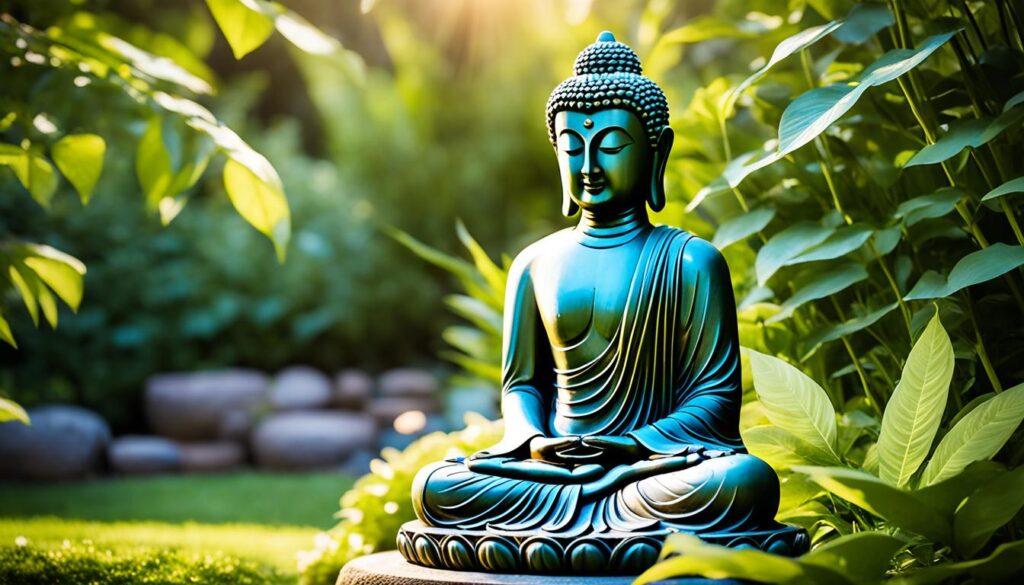
The Benefits of Mindfulness and Compassion in Daily Life
The practice of mindfulness and compassion extends beyond meditation or formal exercises; it is a way of living. When you cultivate mindfulness and compassion in your daily life, you can experience a myriad of benefits:
- Reduced stress and anxiety
- Improved emotional well-being
- Enhanced focus and concentration
- Stronger relationships and social connections
- Increased resilience and adaptability
- Greater self-awareness and self-acceptance
By being fully present and compassionate in your interactions, you can create a positive impact on your own well-being as well as the well-being of those around you.
| Benefits of Mindfulness and Compassion | Examples |
|---|---|
| Improved emotional well-being | Increased resilience to stress and better management of negative emotions |
| Enhanced focus and concentration | Improved work productivity and ability to stay present in the task at hand |
| Stronger relationships | Deeper connections and more meaningful interactions with loved ones |
| Increased self-awareness | Recognition of one’s patterns and behaviors for personal growth |
The Power of Acceptance in Personal Growth
Acceptance is a powerful tool for personal growth. It involves recognizing and acknowledging what is present in your life without resistance or avoidance. By accepting both the pleasant and unpleasant experiences, you can move beyond fear and suffering and overcome the challenges that hold you back.
Acceptance does not mean resignation or passivity; it requires courage and strength. It means facing your fears and vulnerabilities head-on, embracing them as part of your journey. When you accept the present moment and let go of resistance, you create space for transformation and personal development.
By accepting where you are in life, you open yourself up to new possibilities and opportunities. Instead of being stuck in a state of stagnation or stuckness, acceptance allows you to take proactive steps towards positive change. It empowers you to make decisions and take actions that align with your values and aspirations.
When you accept yourself and your circumstances, you free yourself from the burden of judgment and self-criticism. You cultivate a sense of compassion and self-compassion, which are essential elements for personal growth and healing. Acceptance allows you to give yourself permission to be imperfect and to embrace your vulnerabilities with kindness and understanding.
Through acceptance, you can find a sense of freedom and ease. This doesn’t mean that life will always be smooth sailing, but by accepting what is, you can navigate the ups and downs with resilience and grace. Acceptance opens the door to personal transformation and growth, enabling you to tap into your true potential.
As you embark on the journey of personal growth, remember that acceptance is an ongoing practice. It requires patience, self-reflection, and a willingness to let go of control. Embrace the lessons that life presents to you and trust in your ability to navigate through them. Each step you take in the direction of acceptance brings you closer to a life filled with fulfillment, joy, and purpose.
Acknowledge and Accept
To help you integrate the power of acceptance into your life, here are some practical steps you can take:
- Be mindful: Cultivate awareness of your thoughts, emotions, and reactions. Notice when resistance arises and gently bring your attention back to the present moment.
- Practice self-compassion: Treat yourself with kindness and understanding. Embrace your imperfections and offer yourself the same level of compassion you would extend to a dear friend.
- Release judgment: Let go of the need to label experiences as good or bad. Accept them as they are, without judgment or attachment.
- Embrace uncertainty: Life is filled with uncertainties, and resistance only creates more suffering. Embrace the unknown and trust in the process of life.
- Seek support: Surround yourself with a supportive community or seek guidance from a trusted mentor or therapist. Share your journey of acceptance with others who can offer insights and encouragement.
By incorporating these practices into your daily life, you can harness the power of acceptance to fuel your personal growth and create a life of fulfillment and authenticity.
References:
| Acceptance and Personal Growth | Overcoming Fear and Suffering | Moving Beyond Stuckness |
|---|---|---|
| Acceptance allows individuals to acknowledge and embrace their current circumstances, facilitating personal growth and development. | By accepting fear and suffering, individuals can move beyond them and reclaim their power and resilience. | Acceptance helps individuals break free from the cycle of stuckness and proactively pursue positive change. |
| Acceptance creates space for self-reflection and learning, enabling individuals to navigate life’s challenges with grace and wisdom. | By accepting fear and suffering, individuals can explore the lessons they hold and find the strength to overcome them. | Acceptance allows individuals to release resistance and open themselves up to new opportunities and possibilities. |
Embracing Change and Letting Go of Resistance
Embracing change is a fundamental aspect of personal transformation. Change is inevitable in life, and resisting it only leads to more difficulties and drains our energy. Instead, by embracing change, we open ourselves up to new possibilities and experiences.
Letting go of resistance is a powerful practice that allows us to move forward and grow. When we resist change, we hold on to what is familiar and comfortable, even if it no longer serves us. This resistance keeps us stuck in our old patterns and prevents us from experiencing personal growth.
However, when we let go of resistance, we create space for transformation. We become more adaptable to the ever-changing circumstances of life. We learn to flow with the currents rather than fighting against them. Adaptability enables us to navigate challenges with greater ease and grace.
When we embrace change and let go of resistance, we tap into our inner strength and wisdom. We learn to trust ourselves and have faith in the process of life. We become more resilient and capable of facing whatever comes our way.
By embracing change and letting go of resistance, we open ourselves up to personal transformation. We allow ourselves to learn, grow, and evolve. We become more attuned to our true selves and discover new aspects of our potential.
So, let go of resistance and embrace change. Surrender to the flow of life and trust in your ability to adapt. Embrace the opportunities that change brings and welcome personal transformation with open arms.
The Benefits of Embracing Change and Letting Go of Resistance:
- Greater personal growth and self-discovery
- Improved adaptability and resilience
- Reduced stress and anxiety
- Enhanced problem-solving skills
- Increased open-mindedness and flexibility
| Embracing Change and Letting Go of Resistance | Benefits |
|---|---|
| Personal growth and self-discovery | Embracing change allows for personal transformation and the discovery of new aspects of oneself. |
| Adaptability and resilience | Letting go of resistance enables greater adaptability and resilience in the face of challenges. |
| Reduced stress and anxiety | Embracing change and letting go of resistance can alleviate stress and anxiety caused by resisting the inevitable. |
| Improved problem-solving skills | By embracing change, we become more adept at finding solutions and navigating through difficult situations. |
| Open-mindedness and flexibility | Letting go of resistance allows for greater openness to new ideas and perspectives. |
Embracing change and letting go of resistance is a transformative process that leads to personal growth, adaptability, and a greater sense of inner peace. It empowers us to navigate life’s challenges with grace and openness. Embrace change and watch as your life unfolds in beautiful and unexpected ways.

Finding Joy in the Present Moment through Mindful Living
Mindful living is the key to finding joy in the present moment and deepening your awareness of life’s experiences. By practicing mindfulness, you can cultivate a sense of presence and appreciate the simple pleasures that surround you every day.
When you live mindfully, you pay close attention to the sensations, thoughts, and emotions that arise in each moment, without judgment. You become fully engaged with life and open yourself up to a deeper sense of joy and fulfillment.
Take a moment right now to pause and bring your attention to your breath. Notice the sensation of the air flowing in and out of your body, grounding you in the present moment. Let go of any worries or distractions and fully immerse yourself in the here and now.
As you continue to practice mindful living, you will become more attuned to the beauty and abundance that exists in every moment. You’ll find joy in the simplest things, like the warmth of the sun on your skin, the sound of laughter, or the taste of a delicious meal.
Embrace the present moment and allow yourself to experience life with a sense of wonder and gratitude. Deepen your awareness and connect with the richness of each passing moment.
Benefits of Mindful Living:
- Enhanced emotional well-being: Mindfulness can help you regulate your emotions, reduce stress, and foster a greater sense of overall well-being. By staying present and aware, you can navigate life’s challenges with greater ease.
- Improved focus and concentration: When you practice mindfulness, you train your mind to stay focused on the present moment. This can enhance your ability to concentrate, make better decisions, and engage more fully in tasks.
- Greater self-acceptance: Mindful living encourages self-compassion and acceptance. By observing your thoughts and emotions without judgment, you can cultivate self-acceptance and learn to treat yourself with kindness and understanding.
- Deeper connections with others: When you are fully present in your interactions with others, you can foster deeper connections and improve your relationships. Mindful listening and genuine presence create space for empathy and understanding.
Practical Tips for Mindful Living:
- Make mindfulness a daily habit: Set aside dedicated time each day for mindfulness practice. Whether it’s through meditation, yoga, or simply taking a few moments to breathe and be present, consistent practice will deepen your awareness and bring more joy into your life.
- Engage your senses: Notice the sights, sounds, smells, tastes, and textures of your surroundings. Engaging your senses can anchor you in the present moment and cultivate a deep appreciation for the world around you.
- Practice gratitude: Take a few moments each day to reflect on the things you’re grateful for. Cultivating gratitude shifts your focus to the positive aspects of life and helps you cultivate joy.
- Let go of judgments: As you practice mindfulness, aim to observe your thoughts and emotions without judging them as good or bad. Embrace a mindset of curiosity and acceptance, allowing experiences to unfold without attachment to specific outcomes.
- Find joy in simple moments: Pause throughout your day to savor the small moments of joy. Appreciate a warm cup of tea, the company of a loved one, or the beauty of nature. These simple pleasures can bring profound joy when experienced with mindfulness.
By embracing mindful living, you can find joy in the present moment and deepen your awareness of the richness of life. Start incorporating mindfulness practices into your daily routine and discover the transformative power of living with presence and gratitude.

The Importance of Self-Care and Wellness Practices
Self-care and wellness practices are essential for maintaining holistic well-being. When it comes to taking care of yourself, both physically and mentally, it’s crucial to prioritize self-care. By engaging in activities that promote self-care, such as yoga, meditation, and other wellness practices, you can improve your overall health and happiness.
Physical self-care involves nourishing your body through exercise, a balanced diet, and proper rest. By incorporating regular physical activity into your routine, you can enhance your physical health and boost your energy levels. Remember to listen to your body’s needs and provide it with adequate rest and relaxation.
Mental and emotional self-care are equally important for your well-being. Taking time for activities that help you relax and recharge, such as meditation or practicing mindfulness, can reduce stress and improve mental clarity. Additionally, engaging in hobbies or activities that you enjoy can bring joy and fulfillment to your life.
By prioritizing self-care, you create a foundation for holistic well-being that encompasses both your physical and mental health. It allows you to cultivate a greater sense of inner peace and balance in your life, enabling you to navigate challenges with resilience and grace.
Take a moment to reflect on your current self-care practices. Are there areas where you can devote more attention and care? Consider incorporating some of the following wellness practices into your routine:
Wellness Practices for Holistic Well-Being:
- Yoga: Engage in gentle yoga classes to improve flexibility, strength, and mind-body connection.
- Meditation: Set aside time each day to quiet your mind, enhance self-awareness, and promote mental clarity.
- Deep Breathing Exercises: Take deep breaths to reduce stress, promote relaxation, and increase oxygen flow in the body.
- Aromatherapy: Use essential oils to create a soothing and uplifting environment that promotes relaxation and emotional well-being.
- Journaling: Write down your thoughts, feelings, and aspirations to gain insights, release emotions, and foster self-reflection.
- Gratitude Practice: Cultivate a sense of gratitude by focusing on the positive aspects of your life, which can enhance overall happiness and well-being.
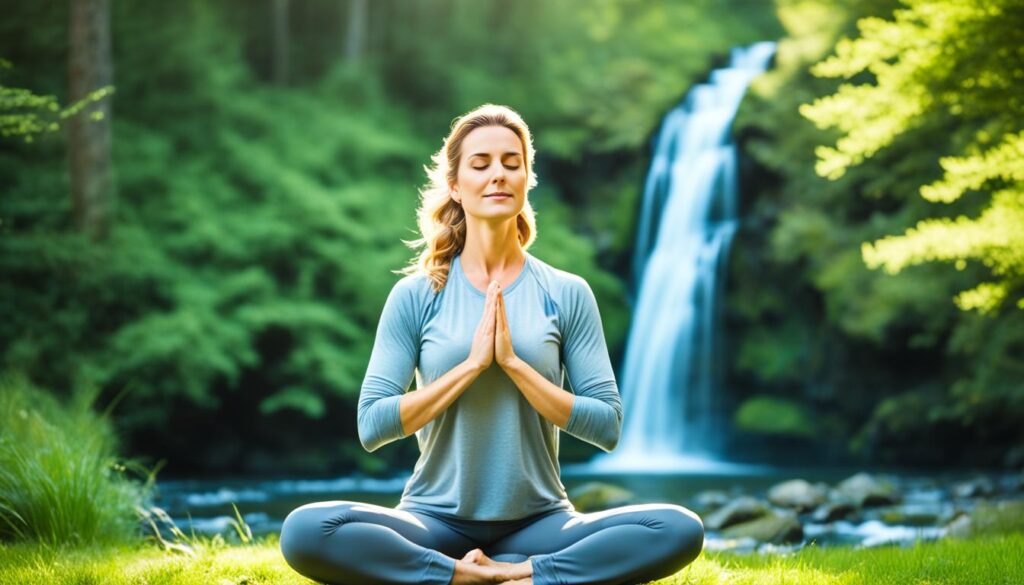
Remember, self-care is not selfish; it is a necessary act of love and compassion towards yourself. By incorporating self-care and wellness practices into your daily life, you can nurture your physical and mental health, leading to a more balanced and fulfilling life.
| Benefits of Self-Care and Wellness Practices | Physical Health | Mental Health | Emotional Well-being |
|---|---|---|---|
| Stress Reduction | ✓ | ✓ | ✓ |
| Improved Immunity | ✓ | ||
| Increased Energy Levels | ✓ | ||
| Enhanced Focus and Concentration | ✓ | ||
| Greater Emotional Resilience | ✓ |
The Power of Community and Connection in Yoga Practice
Community and connection form the foundation of a fulfilling yoga practice. When you participate in a yoga community, you join a collective of like-minded individuals who share your passion for spiritual growth and well-being. The sense of belonging and support you experience within this community can enhance your journey and provide invaluable encouragement along the way.
Practicing yoga alongside others offers unique opportunities for connection and shared experiences. Whether it’s attending an in-person class or joining a virtual session, the collective energy of fellow practitioners amplifies the transformative power of your practice. The synergy generated through communal practice can deepen your connection to yourself, others, and the present moment.
At Tiny Buddha Yoga, we recognize the importance of fostering community and connection among our members. That’s why we offer virtual wellness workshops that bring individuals together to explore various aspects of yoga and mindfulness. These workshops provide a platform for connection, allowing participants to connect with like-minded individuals, share insights, and deepen their practice together.
The Benefits of Community and Connection in Yoga Practice
- Inspiration and support: Being part of a yoga community can inspire and uplift you on your journey. Surrounding yourself with individuals who share similar goals and values enables you to tap into their wisdom, guidance, and encouragement. Together, you can overcome obstacles, celebrate successes, and create a supportive network of like-minded individuals.
- Accountability: When you practice within a community, you are more likely to stay committed to your yoga practice. The social aspect of practicing with others fosters a sense of accountability and motivation, making it easier to maintain a consistent routine.
- Growth and self-discovery: Engaging with a community provides opportunities for growth and self-discovery. By sharing your experiences and hearing the stories of others, you gain new perspectives and insights that can deepen your understanding of yourself and your practice.
- Unity: Yoga is all about unity and connection. When you practice alongside others, you experience a sense of unity and interconnectedness. This shared experience can foster a deeper connection to the world around you and promote a greater sense of compassion and empathy.
Joining a yoga community and actively seeking connection can transform your yoga practice from a solo endeavor into a collective journey. The power of community lies in its ability to support, inspire, and uplift you as you navigate your spiritual path. At Tiny Buddha Yoga, we invite you to embrace the power of community and discover the transformative potential it holds.
| Date | Workshop Title | Facilitator |
|---|---|---|
| May 15th | The Art of Mindful Breathing | Emily Davis |
| June 5th | Cultivating Inner Peace through Meditation | Michael Thompson |
| July 10th | Embracing Self-Compassion in Your Practice | Sarah Wilson |
Conclusion
Tiny Buddha Yoga offers a transformative journey towards inner peace and holistic wellness. By immersing yourself in gentle yoga classes, meditation sessions, and self-care techniques, you open the door to spiritual growth and a deeper connection with yourself. Through the online yoga community, you’ll find a supportive and uplifting space where you can share your experiences and learn from like-minded individuals.
Virtual wellness workshops, provided by Tiny Buddha Yoga, offer a unique opportunity for personal exploration and development. These workshops allow you to dive deeper into your mindfulness practice, expand your knowledge, and connect with others on a similar journey. By participating in these workshops, you can nurture your spiritual growth and gain valuable insights and tools to apply in your daily life.
As you embrace the teachings and practices of Tiny Buddha Yoga, you’ll discover your personal path to inner peace and cultivate a greater sense of well-being. The combination of mindfulness practices, gentle yoga classes, and self-care techniques provides a comprehensive approach to holistic wellness. Whether you’re a beginner or an experienced practitioner, Tiny Buddha Yoga welcomes you on your journey towards a healthier mind, body, and spirit.
FAQ
What is Tiny Buddha Yoga?
Tiny Buddha Yoga is an online yoga community that offers a path to inner peace through a variety of mindfulness practices. It provides gentle yoga classes, meditation sessions, and self-care techniques to promote holistic wellness and spiritual growth.
What can I expect from Tiny Buddha Yoga?
By participating in Tiny Buddha Yoga, you can expect to deepen your practice and connect with like-minded individuals. You will have access to gentle yoga classes, meditation sessions, and self-care techniques that will enhance your overall well-being and promote spiritual growth.
Are there virtual wellness workshops available?
Yes, Tiny Buddha Yoga offers virtual wellness workshops for individuals seeking to deepen their practice and connect with like-minded individuals. These workshops provide opportunities for deeper exploration and development.
How can Buddhism impact mindfulness and compassion?
Buddhism has had a profound impact on the concepts of mindfulness and compassion. Its teachings offer insights for personal and societal harmony. Mindfulness helps individuals cultivate awareness and nonjudgmental acceptance of their thoughts, feelings, and sensations, while compassion fosters kindness and empathy towards others.
What is the power of acceptance in personal growth?
Acceptance is a powerful tool for personal growth. It involves recognizing and acknowledging what is present in one’s life without resistance or avoidance. By accepting both the pleasant and unpleasant experiences, individuals can move beyond fear and suffering. Acceptance requires courage and strength and can lead to personal transformation and growth.
Why is embracing change and letting go of resistance important?
Embracing change and letting go of resistance are crucial for personal transformation. Resisting change only creates more difficulty and drains energy. By embracing the inevitability of change and being adaptable, individuals can navigate life’s challenges with greater ease. Letting go of resistance allows for personal growth and the opportunity to respond to life’s circumstances with wisdom and compassion.
Why is mindful living important?
Mindful living involves finding joy in the present moment and deepening awareness of one’s experiences. By practicing mindfulness, individuals can cultivate a sense of presence and appreciation for the simple pleasures of life. Mindful living allows individuals to fully engage with life and experience a deeper sense of joy and fulfillment.
How can self-care and wellness practices enhance well-being?
Self-care and wellness practices are essential for maintaining holistic well-being. Engaging in activities that promote self-care, such as yoga, meditation, and other wellness practices, can reduce stress, improve physical and mental health, and enhance overall well-being. Prioritizing self-care allows individuals to cultivate a greater sense of inner peace and balance in their lives.
Why is community and connection important in yoga practice?
Community and connection play a significant role in yoga practice. By participating in a yoga community, individuals can experience a sense of belonging and support on their spiritual journey. Practicing yoga alongside others provides opportunities for connection and shared experiences. Virtual wellness workshops offered by Tiny Buddha Yoga allow individuals to connect with like-minded individuals and deepen their practice together.
How can I benefit from Tiny Buddha Yoga?
By participating in Tiny Buddha Yoga, you can experience a comprehensive path to inner peace. Through gentle yoga classes, meditation sessions, and engaging in self-care techniques, you can cultivate holistic wellness and promote spiritual growth. The online yoga community provides a platform for connection and support, while virtual wellness workshops offer opportunities for deeper exploration and development.