
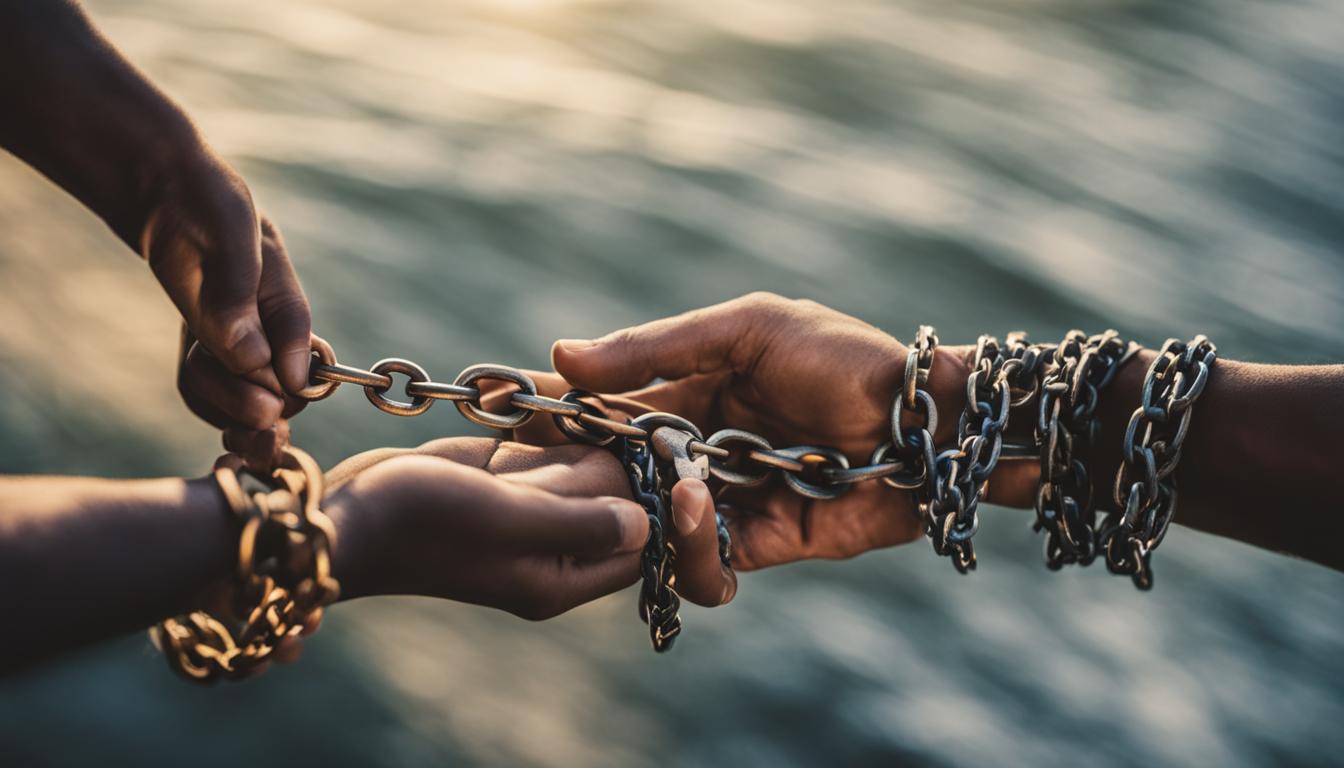
“In the end, only three things matter: how much you loved, how gently you lived, and how gracefully you let go of things not meant for you.” – Buddha
Friendship is a precious bond that enriches our lives, offering support, laughter, and shared experiences. However, even the strongest friendships can experience rough patches, leaving us feeling lost and regretful for damaging the connection we once cherished. It may seem daunting to repair a friendship that we have unintentionally ruined, but with commitment, reflection, and open communication, it is possible to mend the broken pieces and restore the trust that was lost.
Key Takeaways:
- Reflect on positive moments and express gratitude for the friendship.
- Explore alternative ways to communicate and reconnect.
- Allow space for healing and listen with empathy.
- Evaluate the friendship and set healthy boundaries.
- Know when to let go of toxic relationships and prioritize your well-being.
The Importance of Reflection and Gratitude
Before addressing the issues in a friendship, it’s crucial to take a step back and reflect on the positive moments and experiences that the friendship has brought into your life. Reflecting on a friendship allows you to appreciate the joy and happiness it has provided, and it serves as a reminder of why the relationship is worth repairing.
One effective way to cultivate gratitude within a friendship is to write down the things you appreciate about your friend. Take the time to think about their qualities, actions, and the positive memories you’ve shared together. Jot them down in a gratitude list, acknowledging the positive impact they have had on your life.
Gratitude is a powerful tool that can strengthen friendships and repair damaged bonds. It shifts the focus from conflict and negativity towards appreciation and understanding. By expressing and sharing your gratitude with your friend, you create a foundation of positivity that can lay the groundwork for effective communication and resolution of issues.
When you express gratitude in a friendship, it brings a sense of warmth and sincerity to your interactions. It shows your friend that you value and cherish their presence in your life, even during challenging times. This act of gratitude opens up the possibility for empathy and understanding, allowing both parties to approach the conversation with a willingness to listen and find common ground.
By beginning the conversation from a place of gratitude, you can create a safe and inviting space for open and honest communication. It sets a positive tone and helps your friend feel appreciated and valued, making it easier to address any underlying issues or conflicts that need resolution.

| Reflecting on a Friendship | Expressing Gratitude in a Friendship | Using Positive Memories to Repair a Friendship |
|---|---|---|
| Allows for appreciation of the joys and positive moments shared. | Creates a foundation of positivity and appreciation. | Serves as a reminder of the value and worth of the friendship. |
| Fosters empathy and understanding. | Opens up the possibility for effective communication. | Encourages a safe and inviting space for resolution of conflicts. |
| Helps both parties approach the conversation with openness. | Makes the friend feel appreciated and valued. | Strengthens the bond and facilitates the repair process. |
Reflecting on a friendship, expressing gratitude, and using positive memories are key elements in repairing a damaged friendship. These practices create a foundation of appreciation, empathy, and understanding, enhancing the chances of resolving issues and rebuilding the bond between friends.
Alternative Communication Channels
When typical communication channels fail to bridge the gap in a fractured friendship, it’s time to consider alternative methods to reconnect. One powerful approach is utilizing the sentimental charm of letters and postcards. These nostalgic modes of communication can revive the magic of personal connection and help repair a friendship.
Writing letters or sending postcards provides a unique opportunity to express thoughts and emotions in a thoughtful and deliberate manner. It allows you to carefully choose your words, emphasizing the importance of the relationship and the willingness to make amends. The tangible nature of letters and postcards also adds a personal touch in a digital world, making the gesture all the more special.
By engaging in written correspondence, you create a space for reflection and empathy. Pouring your heart into words fosters deeper understanding and empathy between friends. It allows both parties to express their feelings more clearly, leaving no room for the misinterpretation that often arises in face-to-face or digital conversations.
Visual representation of a postcard:

Take the time to choose beautiful stationery or postcards that resonate with the shared memories and interests you and your friend cherish. Put your heartfelt thoughts onto paper, sharing cherished memories, expressing gratitude, and acknowledging the impact they have had on your life. Let your friend know how important they are to you and your desire to mend the friendship.
Once you have composed your letter or postcard, consider the right moment to send it. It could be on a special occasion or simply as a surprise gesture of love and reconciliation. The anticipation of receiving a heartfelt message in the mail can reignite lost emotions and pave the way for a more fruitful conversation or meet-up.
Ultimately, letters and postcards can serve as powerful catalysts for dialogue and healing. Their personal and heartfelt nature can help restore trust, rekindle emotions, and open the door to a renewed bond that stands stronger than before.
| Pros | Cons |
|---|---|
| 1. Allows for thoughtful and deliberate communication | 1. Response time may be delayed |
| 2. Tangible and personal touch | 2. Restricted to written communication |
| 3. Creates space for reflection and empathy | 3. Limited way of expressing non-verbal cues |
| 4. Preserves cherished memories | 4. Limited to one-way communication until a response is received |
The Importance of Giving Space and Listening
In any friendship, conflicts are bound to arise from time to time. When this happens, it’s crucial to recognize the importance of giving space and practicing active listening to heal and rebuild the bond. Allowing time for healing and creating an environment for open and honest communication can work wonders in repairing a damaged friendship.
It’s natural for after-effects of a conflict to linger, causing discomfort and awkwardness between friends. However, instead of letting these feelings fester, it’s important to address them head-on. Have an open and honest conversation about any unresolved issues that may be causing tension. This gives both parties the opportunity to express their thoughts and feelings, paving the way for understanding and healing.
Active listening plays a crucial role in repairing a friendship. When engaging in a conversation with your friend, listen without judgment and give them the space to express themselves. Validate their emotions and experiences, showing them that you genuinely care about their perspective. By practicing active listening, you create an environment of trust and empathy, which can help both of you heal and move forward together.

Evaluating the Friendship and Setting Boundaries
When it comes to long-standing friendships, it’s important to periodically evaluate the dynamics to ensure they remain healthy and beneficial for both parties. Friendships naturally evolve as circumstances and priorities change, and sometimes adjustments need to be made to maintain a balanced relationship.
Take the time to reflect on the current state of your friendship. Consider whether it still brings joy and fulfillment into your life or if it feels like an obligation. Remember, friendships should enrich your life and not drain your energy.
As you evaluate your friendship, pay attention to any red flags or toxic dynamics that may be present. Recognize behaviors that consistently make you feel uncomfortable, disrespected, or unheard. Setting boundaries is crucial to protect your emotional well-being and maintain a healthy friendship.
Start by identifying what your boundaries are. Think about what you need in a friendship and communicate those needs openly and honestly with your friend. Boundaries help establish mutual respect and create a safe space for both parties to thrive.
Here are some signs that may indicate toxic dynamics in a friendship:
- Consistently feeling belittled, criticized, or judged
- Being taken advantage of or being the constant giver without receiving support in return
- Feeling like you can’t be yourself or speak your mind without facing judgment or ridicule
- Constantly feeling drained or emotionally exhausted after spending time with your friend
- Seeing a lack of reciprocation or effort from your friend in maintaining the friendship
Recognizing these patterns and understanding their impact on your overall well-being is essential in determining whether it’s time to set stricter boundaries or even consider ending the friendship. Remember, prioritizing your emotional health is not selfish; it is necessary for your own growth and happiness.

Conclusion
Repairing a damaged friendship requires a combination of reflection, communication, and empathy. The process begins with introspection, where you reflect on positive moments and express gratitude for the joy the friendship has brought. By approaching the conversation with gratitude, you can create a more meaningful connection and foster understanding.
In addition to reflection, it’s important to explore alternative communication channels when traditional methods aren’t working. Sending thoughtful letters or postcards can open up new avenues for connection, allowing for better understanding of each other’s perspectives and paving the way for productive conversations.
As you navigate the process of repairing a friendship, it’s crucial to give each other space and actively listen. Acknowledge that healing takes time and be willing to have open and honest conversations about any unresolved issues. By providing a judgment-free space for both parties to express themselves, you can create an environment of trust and understanding.
While it’s important to make efforts to fix broken friendships, it’s also vital to recognize when a friendship has become toxic or unbalanced. Evaluating the dynamics of the friendship and setting healthy boundaries is essential for personal well-being. Remember, not all friendships are meant to last, and prioritizing healthy and positive connections is crucial for personal growth and happiness.
FAQ
How can I fix a friendship that I ruined?
To repair a friendship you’ve damaged, it’s important to reflect on positive moments and communicate with gratitude. Find alternative ways to reach out and connect, such as writing letters or sending postcards. Give each other time and space, and have an open and honest conversation about any unresolved issues.
How do I rebuild a broken friendship?
Rebuilding a broken friendship requires reflection, communication, and empathy. Start by reflecting on positive memories and expressing gratitude for your friend. Try alternative communication channels like writing letters. Give each other space and be open and honest when discussing any unresolved issues.
What can I do to mend a damaged friendship?
To mend a damaged friendship, begin by reflecting on positive moments and expressing gratitude for your friend. Utilize alternative communication channels like letters or postcards. Give each other space and have a genuine conversation to address any lingering issues.
How can I fix a ruined friendship?
Fixing a ruined friendship requires reflection, open communication, and a willingness to address unresolved issues. Reflect on positive memories and express gratitude. Consider alternative communication methods like writing letters. Allow each other time and space, and have an honest conversation to work through any lingering problems.
How do I restore a damaged friendship?
Restoring a damaged friendship starts with reflection and gratitude. Write down things you appreciate about your friend and share that list with them. Use alternative communication methods like letters to foster understanding. Allow time and space, and have an open conversation to address any unresolved issues.
What steps can I take to repair a broken friendship?
To repair a broken friendship, reflect on positive moments and communicate with gratitude. Try alternative communication channels like sending postcards or letters. Give each other time and space to heal, and engage in open and honest conversations to address any lingering issues.