Shantideva: Author of The Way of the Bodhisattva
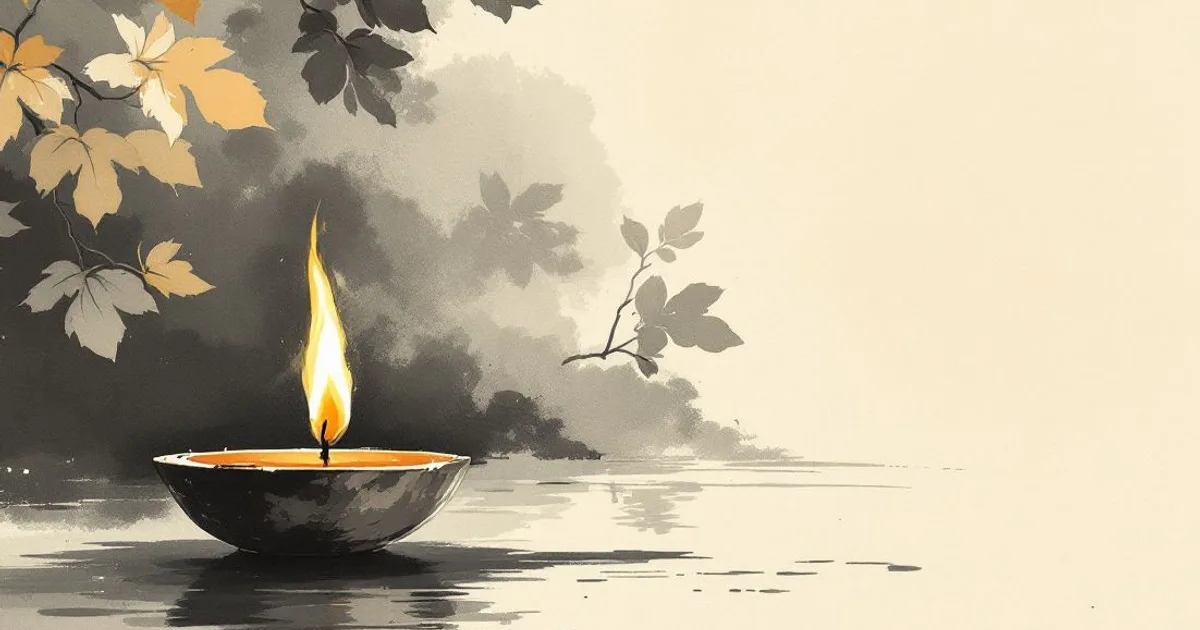
Shantideva (Sanskrit Śāntideva) was an 8th-century Indian monk, poet, and philosopher of the Mahāyāna — and the author of one of its most beloved books. His Bodhicaryāvatāra, “The Way of the Bodhisattva,” is a guide in verse to the path of compassion, and for over a thousand years it has been studied, memorised, and loved across the Buddhist world.
It remains, especially in Tibetan Buddhism, the great classic on how to live for the benefit of all beings.
The Monk of Nālandā
Little is known of Shantideva’s life with historical certainty, but the traditional account is vivid. He was born, it says, a prince on the Saurashtra peninsula of western India — and, like the Buddha before him, turned from the throne to the spiritual path. He became a monk at the famed Nālandā, the vast monastic university that was then the intellectual heart of the Buddhist world, and a follower of the Madhyamaka (“Middle Way”) philosophy of Nāgārjuna.
The Lazy Monk and the Sublime Verses
The most famous story about Shantideva is a lesson in not judging by appearances. At Nālandā, the tradition relates, his fellow monks thought him hopelessly idle — he seemed to do nothing but eat, sleep, and idle his days away. Hoping to humiliate him into leaving, they invited him to give a formal public teaching, expecting him to fail and be shamed.
Shantideva agreed. Taking his seat before the assembly, he asked whether they wished to hear something old or something new. Something new, they said, mockingly. And then he began to recite — extempore — the luminous verses of the Bodhicaryāvatāra. The legend adds a final marvel: as he reached the profound chapter on wisdom and emptiness, he rose into the air and slowly vanished from sight, his voice continuing to teach as his body disappeared. The “idle” monk had been a hidden master all along.
The Way of the Bodhisattva
Shantideva’s masterwork is a step-by-step guide to becoming a bodhisattva — one who vows to attain full Buddhahood not for oneself alone but for the liberation of all beings. Its chapters lead the reader through the whole journey: arousing bodhicitta, the “awakening mind” of compassion; confessing faults and rejoicing in others’ good; and then cultivating the six perfections — generosity, ethics, patience, diligence, meditation, and wisdom.
What has made it endure is not only its depth but its warmth and practicality. Shantideva writes less like a remote scholar than like a wise, honest friend talking himself — and us — toward the good. Two of his teachings are especially treasured:
- On patience and anger. He argues, with disarming logic, that anger is our true enemy, destroying our peace and our merit in a moment, and that it can be undone by reflection. If a problem can be solved, he reasons, there is no need to worry; and if it cannot be solved, worrying does no good either way.
- On exchanging self and other. His boldest teaching is the practice of equalising and exchanging self and other — coming to cherish the welfare of others as instinctively as we now cherish our own. Scholars of Tibetan mind training connect it with the practice of tonglen, “sending and taking,” part of lojong and still taught today by teachers such as Pema Chödrön.
He is also famous for a homely image of this inner revolution: rather than trying to cover the whole rough earth in leather to protect our feet, he observes, it is far wiser simply to cover the soles of our own shoes. We cannot remake the world to suit us — but we can transform our own mind, and that changes everything.
His Enduring Influence
The Bodhicaryāvatāra travelled from India to Tibet, where it became one of the central texts of the entire tradition — memorised by monks, debated in the monasteries, and woven into daily practice. The Dalai Lama teaches from it constantly and has called it his chief source of inspiration on compassion; a single verse of Shantideva’s, on dedicating oneself to others’ welfare, he says he holds dearer than almost anything.
More than twelve centuries after he wrote, Shantideva still does what he set out to do: he makes the vast, almost impossible ideal of universal compassion feel not only beautiful but practicable — a path that an ordinary person, starting exactly where they are, can actually begin to walk.
For his book among our recommendations, see the best Buddhist books for beginners; for the philosophy he followed, Nāgārjuna; and for other figures who shaped the path, the most influential Buddhist teachers.
Frequently asked questions
Who was Shantideva?
Shantideva was an 8th-century CE Indian Buddhist monk, poet, and philosopher of the Madhyamaka school, who taught at the great monastic university of Nālandā. By tradition he was a prince who renounced the throne for the monastic life. He is remembered above all as the author of 'The Way of the Bodhisattva' (Bodhicaryāvatāra), one of the most beloved and influential texts in all of Mahāyāna Buddhism.
What is the Bodhicaryāvatāra (The Way of the Bodhisattva)?
It is Shantideva's masterwork — a guide, in elegant verse, to the path of the bodhisattva: the aspirant who vows to attain Buddhahood for the sake of all beings. Across its chapters it leads the reader through arousing bodhicitta (the awakening mind), and cultivating generosity, ethics, patience, diligence, meditation, and wisdom. Warm, practical, and psychologically acute, it has been studied and loved for over a thousand years, and is especially central to Tibetan Buddhism.
What is the famous story about Shantideva?
By legend, the monks at Nālandā thought Shantideva idle and useless, and arranged for him to give a public teaching hoping to shame him. To their astonishment, he recited, extempore, the sublime verses of the Bodhicaryāvatāra. The tradition adds that as he reached the chapter on wisdom and emptiness, he rose into the air and vanished from sight, his voice continuing on. The lesson: never judge depth by appearances.
What did Shantideva teach?
His great theme is compassion made practical. He is especially famous for two teachings: patience — that anger destroys our own merit and peace, and can be met through reflection — and the 'exchange of self and other,' the radical practice of valuing others' welfare as we naturally value our own. This last is the philosophical heart of the Tibetan practice of tonglen, 'sending and taking.'
Why is Shantideva important?
Because the Bodhicaryāvatāra became one of the defining texts of the Mahāyāna path, and the single most important guide to the bodhisattva's training in Tibetan Buddhism. The Dalai Lama frequently teaches from it and cites it as his principal source of inspiration on compassion. For countless practitioners, it is the book that makes the lofty ideal of universal compassion feel both reasonable and within reach.
Sources
- Shantideva (entry), Encyclopedia of Buddhism / reputable references — the 8th-century Indian monk and Madhyamaka scholar of Nālandā, author of the Bodhicaryāvatāra and the Śikṣāsamuccaya
- Śāntideva, 'The Way of the Bodhisattva' (Bodhicaryāvatāra), trans. Padmakara Translation Group (Shambhala) — for its teaching on bodhicitta, patience, and the exchange of self and other