Uposatha: Buddhist Observance Days & the Eight Precepts
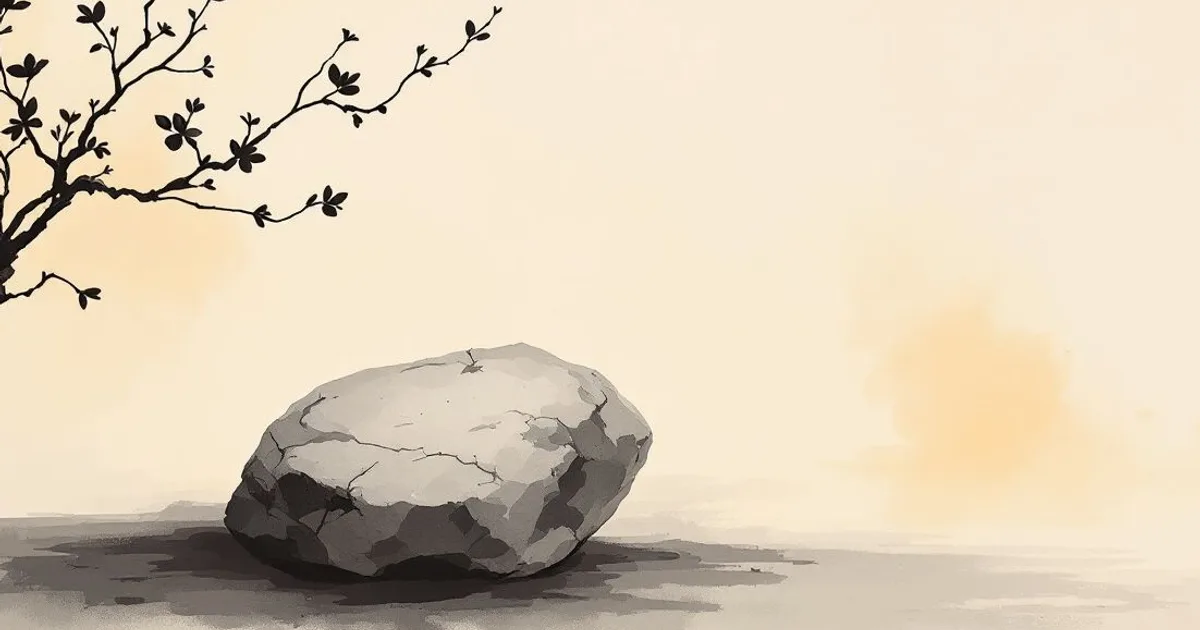
Uposatha is the traditional Buddhist observance day — the steady, recurring rhythm of practice that runs beneath the great annual festivals.
Kept on the days of the lunar quarter, and above all on the new moon and full moon, it is the day when monks renew their discipline together and devout lay people deepen their own — often by taking the eight precepts. Sometimes called the “Buddhist Sabbath,” it is less a holiday than a regular return to the path.
A Rhythm as Old as the Sangha
The Uposatha observance is very ancient — older, in fact, than Buddhism. In the Buddha’s India, wandering religious groups already gathered on the moon’s quarter-days, and the Buddha adopted and reshaped the custom for his own community. He instituted the practice of monastics assembling on the new and full moon to recite the Pātimokkha — the code of monastic rules — and to confess any breaches openly before the community. That fortnightly act of honesty and renewal has continued, unbroken, for two and a half thousand years, and it remains the backbone of monastic life today.
So while the year is studded with bright festivals, the week — or rather the lunar quarter — has its own quieter beat. Roughly every seven or eight days an Uposatha comes round, an invitation to step out of ordinary busyness and turn back toward practice.
When Uposatha Falls
Because it follows the moon, Uposatha tracks the lunar month rather than the Western week:
- The new moon and the full moon are the two principal observance days, when the monastic Pātimokkha is recited.
- The two quarter-moon days (the waxing and waning half-moons) are also kept, as lesser observance days.
This gives about four Uposatha days a month, spaced roughly a week apart — the basic beat of the Buddhist calendar. The full-moon Uposatha is the most significant of all — which is why the greatest festivals of the Buddhist year, including Vesak, Māgha Pūjā, and Āsāḷha Pūjā, are all kept on full-moon days.
The Eight Precepts
The heart of lay Uposatha practice is the undertaking of the eight precepts (aṭṭhaṅga-sīla) — a deepened version of the everyday five precepts, taken on for the day as a brief, voluntary taste of monastic simplicity. They are to refrain from:
- Killing living beings.
- Stealing — taking what is not given.
- All sexual activity — full celibacy for the day (stricter than the everyday precept against sexual misconduct).
- False speech.
- Intoxicants that cloud the mind.
- Eating after midday — taking no solid food from noon until the next morning.
- Entertainment and adornment — dancing, singing, music, and shows, and beautifying oneself with garlands, perfumes, and cosmetics.
- High or luxurious beds and seats.
The first five mirror the precepts a lay Buddhist keeps every day (with the third made stricter). The last three — fasting in the afternoon, setting aside entertainment and vanity, sleeping simply — are a gentle, temporary renunciation: for one day, the lay person lives a little more like a monastic, loosening the grip of comfort and craving to make room for practice.
How the Day Is Kept
For monks and nuns, Uposatha is a day of communal renewal: the gathering to recite the Pātimokkha, the open acknowledgement of faults, the re-affirmation of the discipline that binds the community together.
For committed lay people, especially in the Theravada lands of South and Southeast Asia, it is a day to set apart. Many take the eight precepts at the local temple, make offerings to the monks, listen to teachings, and give extra time to meditation. Some stay overnight at the monastery. The mood is quiet and devotional — not celebration, but recollection: a regular pause to clean and re-aim the heart. In AN 3.70 the noble ones’ observance cleans “a corrupt mind” through five recollections and then takes up eight precepts modelled on how “the perfected ones” live.
Why Uposatha Matters
It is easy to be drawn to the colour of the great festivals and miss the deeper importance of this plainer practice. Awakening, the tradition holds, is not won in occasional bursts of devotion but in steady, repeated cultivation — and Uposatha is that steadiness made into a calendar. Like the moon it follows, practice waxes and wanes; the observance day is the appointed moment to renew it, again and again. In that sense, the quiet rhythm of Uposatha is closer to the real work of the path than any festival.
For the festivals it underlies, see Buddhist festivals; for the everyday version of its ethics, the five precepts; and for the full-moon festivals kept on the great Uposatha days, Vesak, Māgha Pūjā, and Āsāḷha Pūjā.
Frequently asked questions
What is Uposatha?
Uposatha is the traditional Buddhist observance day, kept on the days of the lunar quarter — above all the new moon and the full moon. On these days, monastic communities gather to recite their code of discipline (the Pātimokkha), and committed lay Buddhists deepen their practice, often visiting the temple and undertaking the eight precepts for the day. It is the regular, recurring rhythm of practice beneath the great annual festivals.
When are Uposatha days?
They follow the lunar month. The two principal Uposatha days are the new moon and the full moon; the two quarter-moon days (the half-moons) are also observed, giving roughly four observance days a month, about a week apart. Because they track the moon, the exact dates shift relative to the Western calendar. The full-moon Uposatha is the most important, and several major festivals — Vesak, Māgha Pūjā, Āsāḷha Pūjā — fall on it.
What are the eight precepts?
The eight precepts (aṭṭhaṅga-sīla) are a stepped-up version of the five precepts, undertaken for a day. They are: to refrain from (1) killing, (2) stealing, (3) all sexual activity, (4) false speech, (5) intoxicants, (6) eating after midday, (7) entertainment and personal adornment, and (8) high or luxurious beds. The first five echo the everyday precepts; the last three are a brief taste of the renunciant life of a monk or nun.
What do Buddhists do on Uposatha days?
Monastics gather to recite the Pātimokkha, the monastic rule, and to confess any faults — a practice of communal renewal going back to the Buddha. Devout lay people may take the eight precepts, visit the monastery to make offerings and hear teachings, spend extra time in meditation, and generally set the day apart for practice. It is less a holiday than a regular renewal of one's commitment to the path.
Is Uposatha like the Sabbath?
Only loosely. Uposatha is sometimes called the 'Buddhist Sabbath' because it is a recurring day set apart for religious observance. But it follows the moon rather than the week, falling chiefly on the new and full moon, and it is less a holiday or celebration than a day of recollection: monastics recite the Pātimokkha and confess faults, while lay people may voluntarily take the eight precepts, hear teachings and meditate.
Sources
- 'Sabbath' (AN 3.70) — SuttaCentral (trans. Bhikkhu Sujato, CC0); the noble ones' observance, five recollections and the eight precepts
- Uposatha (entry), Encyclopædia Britannica — the Buddhist observance days kept on the lunar quarter-days, especially the new and full moon
- The eight precepts (aṭṭhaṅga-sīla) of the Uposatha observance, as set out in the Aṅguttara Nikāya (the Uposatha discourses, e.g. AN 3.70 and AN 8.41) — corroborated across reputable references; SuttaCentral; Access to Insight